Latest News
What Is Too Many Kilometres on a Used Car?
- August 25, 2026
- Category: GL Motors, Used Cars, Higher-Kilometre Cars
The Truth About Buying Higher-Kilometre Cars
GL Motors • Used Car Buying Guide
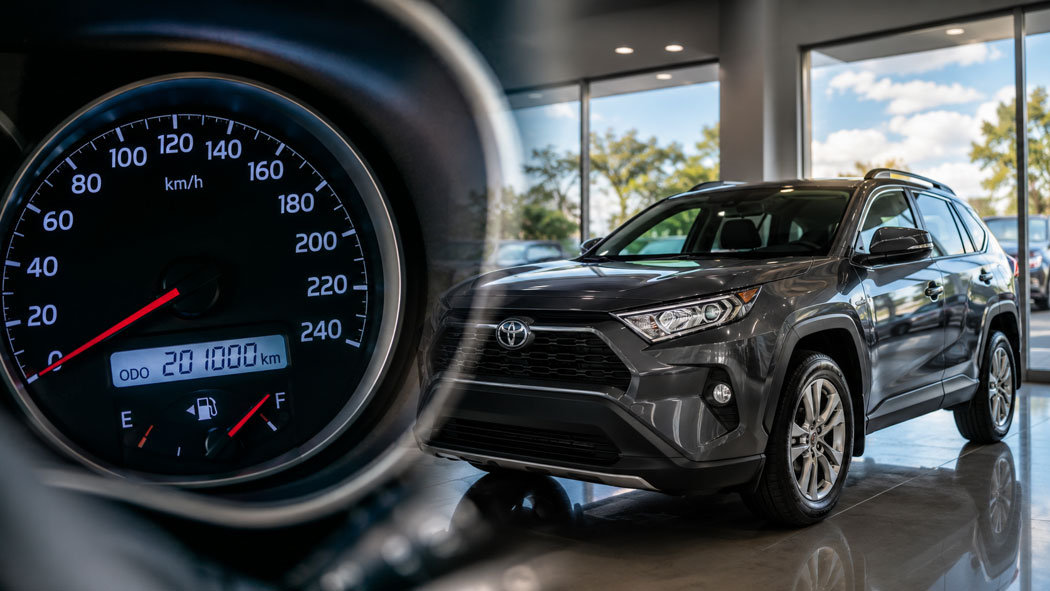
Higher kilometres do not automatically mean a worse car — the history behind them matters.
How many kilometres is too many when buying a used car?
It's one of the first things almost every used-car buyer looks at.
How many kilometres has it done?
For years, buyers have been conditioned to think that low kilometres automatically means a better car and higher kilometres automatically means a worse one.
But it's simply not that straightforward.
A car showing 70,000 kilometres can be a poor purchase. Another car showing 200,000 kilometres can have years and years of reliable motoring left in it.
At GL Motors, we'd much rather buy a beautifully maintained 170,000km vehicle with a great history than a neglected 70,000km vehicle with questionable ownership.
The number on the odometer matters, but the life behind those kilometres matters much more.
Quick Answer
For most modern used cars, 150,000 to 170,000 kilometres is still a perfectly reasonable range, with plenty of life left when the vehicle has been properly maintained.
In the right vehicle, with the right maintenance and ownership history, 200,000 kilometres can be completely fine and still leave plenty of usable life ahead.
There are also certain vehicles where we'd happily consider examples approaching or exceeding 250,000 kilometres, provided they've been properly maintained and their overall condition reflects it.
The key is buying the right higher-kilometre vehicle, rather than simply assuming that every car will age the same way.
You need to consider:
- The make and model
- Engine and transmission
- Service history
- Previous ownership
- Where the kilometres were travelled
- How the vehicle has been driven
- Current mechanical condition
- What major maintenance has already been completed
- The price you're paying
Kilometres are only one part of the equation.
Why Buyers Are So Focused on Low Kilometres
It's understandable.
If you're comparing two identical cars and one has travelled 70,000km while the other has travelled 150,000km, naturally the lower-kilometre vehicle sounds more appealing.
But there's one major catch. You're going to pay for those lower kilometres.
Low-kilometre used vehicles often attract a significant premium, particularly when they're desirable models with good service histories.
Let's say you have the choice between two similar SUVs.
One has travelled 85,000km and costs $24,000. The other has travelled 150,000km, has been properly maintained and costs $18,000.
That $6,000 difference is real money. You could purchase the higher-kilometre vehicle and keep thousands of dollars in your bank account for servicing, maintenance, tyres or simply a rainy day — and you may never need to spend anywhere near the amount you saved.
That's why we don't believe buyers should automatically chase the lowest odometer reading they can afford. Sometimes you're paying a substantial premium for a number on the dashboard rather than a substantially better vehicle.
If you're currently comparing used cars, try looking at a few well-maintained higher-kilometre examples alongside the lower-kilometre cars in your budget. You may be surprised by how much more value is available.
150,000 to 170,000km Can Still Mean Plenty of Life Ahead
For a well-maintained modern vehicle, 150,000 or 170,000 kilometres can still represent a very good used-car purchase.
By this point, we'd actually be more interested in understanding the vehicle's history than simply looking at the number on its odometer.
Has it been serviced regularly?
Has the transmission been maintained?
Does the engine run smoothly?
Has preventative maintenance been carried out?
Is the interior consistent with the kilometres?
Does it drive tightly?
Has it been looked after by somebody who cared about the vehicle?
A properly maintained vehicle at 170,000km can still have an enormous amount of usable life remaining.
In many cases, the benefit is that you're buying the vehicle after a large portion of its depreciation has already occurred, meaning you can get a lot of car for your money.
This is something we consider when selecting vehicles at GL Motors. We're not necessarily searching for the lowest kilometre car available. We're searching for the right example of that car.
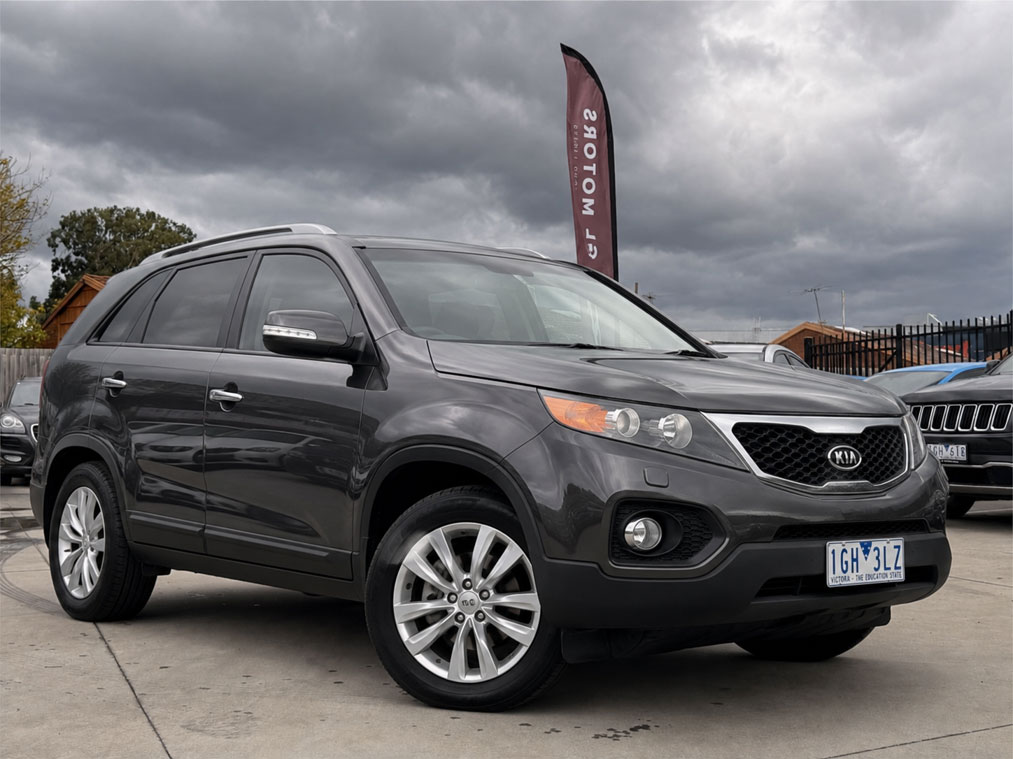
A clean, well-maintained car with higher kilometres can still be an excellent purchase.
What About 200,000km?
This is a number that causes a lot of buyers to automatically scroll past an advertisement. We think that can be a mistake.
There are plenty of vehicles where 200,000 kilometres is far from the end of their usable life.
Think about certain Toyota LandCruisers, Prados, Hiluxes, Corollas, Camrys and other proven models from manufacturers including Toyota, Honda, Mazda, Mitsubishi and Subaru.
There are countless well-maintained examples of these vehicles travelling far beyond 200,000km.
In the right car, 200,000km isn't something to be afraid of. It simply means you need to understand what you're buying.
A properly maintained 200,000km vehicle purchased at the right price can represent exceptional value for money.
For certain proven vehicles, we'd even consider examples around 250,000 kilometres if the condition, history and price all stack up.
200,000km in one vehicle can be completely different to 200,000km in another.
A 200,000km Country Car Can Be Better Than a 70,000km City Car
Not all kilometres are equal.
Imagine one vehicle has travelled 200,000 kilometres, with most of its life spent cruising on country roads and highways. Once it's up to operating temperature, it might spend hours sitting at a consistent speed with relatively little braking, steering or gear changing.
Now compare that with a 70,000km vehicle that's spent its entire life making five-minute trips through inner Melbourne: cold starts, short drives, stop-start traffic, speed bumps, braking, accelerating and parking — repeated every day.
The lower-kilometre car may have experienced considerably more wear per kilometre. Short trips can also mean the engine spends more of its life operating before reaching full temperature.
This is why we'd happily take a beautifully maintained 200,000km country vehicle over a neglected 70,000km city vehicle in the right circumstances.
The odometer tells you how far a vehicle has travelled. It doesn't tell you how it travelled those kilometres.
Service History Can Tell You More Than the Odometer
If we're considering a higher-kilometre vehicle at GL Motors, one of the first things we want to understand is its maintenance history.
A strong service history tells a story. Regular oil changes, scheduled servicing and documented repairs show that somebody has invested money into keeping the vehicle healthy.
That's particularly important as kilometres increase.
We'd much rather see:
170,000km + excellent service history + excellent condition
than
70,000km + poor service history + signs of neglect
The second vehicle might look better when you're scrolling through Carsales because the kilometre number is lower. That doesn't necessarily make it the better car. In fact, we'd often choose the first one.
When you're browsing used vehicles, don't be afraid to ask about service history and previous ownership. A good seller should be happy to explain what they know about the vehicle rather than simply pointing to the kilometre reading.
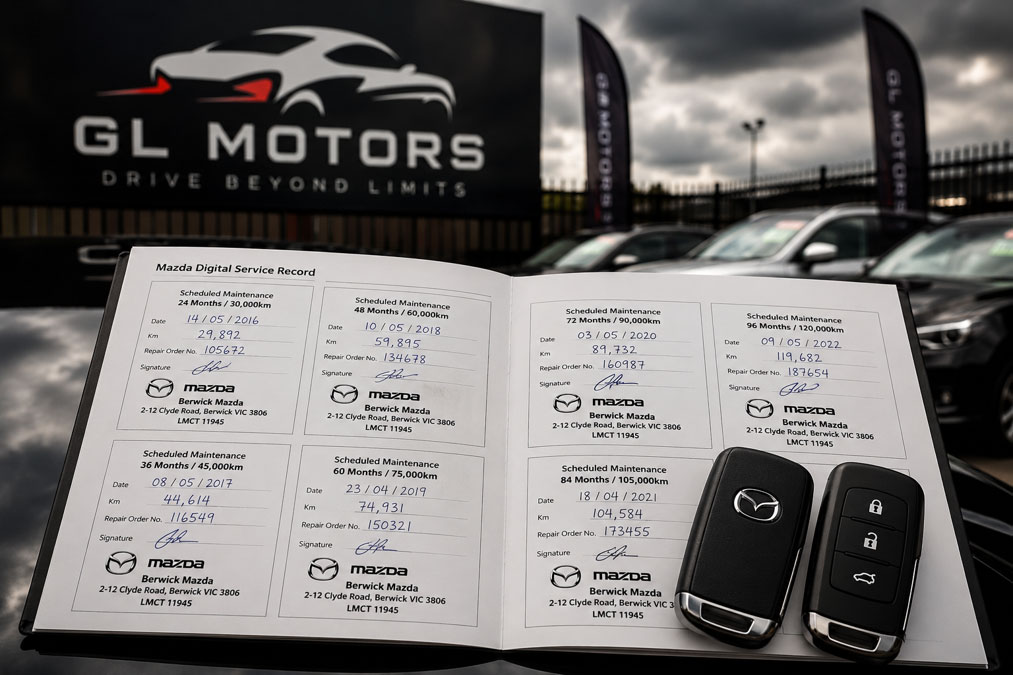
A documented service history can tell you far more than an odometer reading alone.
Higher Kilometres Can Actually Be a Smart Financial Decision
The money you save matters.
Lower-kilometre vehicles command a premium in the used-car market. Sometimes that premium makes sense, but sometimes buyers spend thousands of dollars more simply because they want a lower number on the odometer.
A vehicle that originally cost $50,000 might now be available for less than half that amount because of its age and kilometres, despite still having plenty of usable life remaining.
That's where smart used-car buying comes in. Instead of stretching your budget to buy the lowest-kilometre example available, you might buy a higher-kilometre version with excellent history and condition for thousands less.
Keep the difference in your pocket.
If the car needs tyres next year, you've got the money. If it needs a major service, you've got the money. If something unexpected needs replacing, you've got the money. And if none of those things happen? You've still got the money.
Paying thousands extra for lower kilometres doesn't guarantee that a vehicle won't require maintenance or repairs. Sometimes buying the right higher-kilometre vehicle at the right price can be the smarter financial decision.
This is also why it's worth browsing vehicles slightly outside the kilometre range you initially had in mind. A car you might normally filter out could end up being the best-value vehicle in your budget.
So When Are Kilometres Actually Too High?
There isn't one magic number. That's the whole point.
Instead of asking, “Is 180,000km too much?” we'd rather ask, “Is this particular car a good car at 180,000km?”
Those are two completely different questions.
As kilometres increase, we want to see evidence that the vehicle has been properly cared for. Warning signs include:
- Missing or inconsistent service history
- Significant engine oil leaks
- Transmission issues
- Excessive engine noise
- Poor-quality previous repairs
- Heavy wear inconsistent with the kilometres
- Multiple warning lights
- Obvious signs of neglect
- Suspension problems
- Poor tyres and brakes
- A history that doesn't make sense
Higher kilometres aren't the problem by themselves. Higher kilometres combined with poor maintenance and neglect are where we'd become cautious.
Who Should Consider a Higher-Kilometre Car?
A good higher-kilometre vehicle can make enormous sense for someone who wants maximum value from their budget.
You may be able to move into a newer model, higher specification or simply a better vehicle without spending significantly more money.
- You want to maximise value for money
- You don't care about having the lowest odometer reading
- You plan to keep the vehicle for several years
- You have found a vehicle with excellent service history
- You want to keep some of your budget aside rather than spending everything on the purchase
- You are buying a make and model with a proven reputation for longevity
Who Might Be Better Suited to a Lower-Kilometre Car?
There's nothing wrong with wanting low kilometres either.
Some buyers simply want the newest, lowest-kilometre vehicle their budget allows, and they're happy to pay a premium for it.
If you plan on driving an unusually large number of kilometres every year, starting with a lower-kilometre vehicle may also make sense.
The important thing is understanding what you're paying for. We wouldn't recommend stretching your budget by thousands of dollars purely to avoid buying a car with 150,000 or 170,000 kilometres when the higher-kilometre vehicle is otherwise an excellent example.
Luke & George's Verdict
We think Australian used-car buyers often put too much emphasis on the number showing on the odometer.
Yes, kilometres matter. But they're one piece of a much bigger puzzle.
For most good modern cars, 150,000 to 170,000 kilometres is still a perfectly reasonable range, with plenty of life left when the vehicle has been properly maintained.
For the right vehicle, 200,000 kilometres can still represent excellent buying and years of reliable motoring. And there are certain vehicles we'd consider with 250,000 kilometres or more if we knew exactly what we were buying.
We'd rather own a 170,000km car that's been serviced religiously, driven predominantly on the highway and genuinely cared for than a 70,000km car that's spent its life doing short trips while missing services.
Don't automatically buy the lowest-kilometre car. Buy the best car.
Sometimes that means paying extra for a beautiful low-kilometre example. Other times it means buying a beautifully maintained higher-kilometre vehicle, saving thousands of dollars and keeping that money in your pocket for a rainy day.
The important part is knowing which higher-kilometre cars are worth buying. That's where buying the right car, from the right place becomes extremely important.
Frequently Asked Questions
Is 150,000km too much for a used car?
For many modern vehicles, absolutely not. A properly maintained vehicle with 150,000km can still have plenty of life ahead of it. We'd pay much more attention to its service history, condition and previous ownership than the odometer alone.
Is 170,000km too high to buy?
No, not necessarily. For most modern used cars, 170,000km can still be a perfectly reasonable purchase. If the vehicle has been properly maintained and is mechanically sound, it can still provide many years of reliable motoring.
Should I buy a car with 200,000km?
Absolutely worth considering if it's the right vehicle. Some cars can comfortably travel well beyond 200,000km. At this mileage, the make and model, maintenance history, condition and purchase price become particularly important.
Can a 200,000km car be better than a 70,000km car?
Absolutely. A well-maintained 200,000km highway or country vehicle can be a much better purchase than a neglected 70,000km city car. How those kilometres were accumulated matters enormously.
Is highway driving better for a car than city driving?
Generally, steady highway driving can be less demanding per kilometre than constant short-distance city driving involving cold starts, stop-start traffic, braking and acceleration.
Is it worth paying more for lower kilometres?
Sometimes, but not automatically. Low-kilometre examples usually command a premium. Buyers should consider whether that premium represents genuine value or whether they'd be better buying a well-maintained higher-kilometre vehicle and keeping the difference in their bank account.
What's more important: kilometres or service history?
Both matter, but service history and overall condition can tell you much more about how the vehicle has actually been treated. We'd generally prefer a higher-kilometre vehicle with excellent history over a lower-kilometre vehicle showing signs of neglect.
How many kilometres can a car last?
There isn't one number. Depending on the make, model, maintenance and type of driving, many modern vehicles can exceed 200,000km and continue providing reliable service for years afterwards.
The best used-car purchase is the right vehicle, with the right history, at the right value.
Don't Buy a Number. Buy the Right Car.
At GL Motors, we don't purchase vehicles based purely on the number showing on the odometer. We look at the entire car: its service history, its condition, how it drives, how it's been maintained, what type of life it's had and, importantly, whether we'd be comfortable putting one of our customers into it.
That's the same approach we'd recommend you take when buying your next car.
If you're currently looking, browse our latest used-car stock at GL Motors. You'll find vehicles across different price points, ages and kilometre ranges, and we're always happy to explain why we chose a particular vehicle for our stock.
And if you find something you like but aren't sure whether the kilometres, service history or model are right for you, speak with Luke or George. We'll give you our view and help you decide whether it suits what you're actually looking for.
Browse Current GL Motors Stock
Buy the right car, from the right place.